
Find Your Tide: How Nature Gives Mothers Back to Themselves
By Samantha Pillay

Mothers know a particular kind of tired. Not the tiredness that sleep fixes, the kind that builds quietly, underneath everything, until one day you realise you cannot remember the last time you felt like yourself.
This blog post is for that mother.
Not the one who needs a holiday or a nap (though those help). The one who needs to find her way back.
The Honest Part First
Let's be clear: stepping outside will not solve the deeper work of motherhood. It will not resolve relationship tension, ease financial pressure, or change the realities of a hard season.
But it might give you just enough ground to stand on to begin.
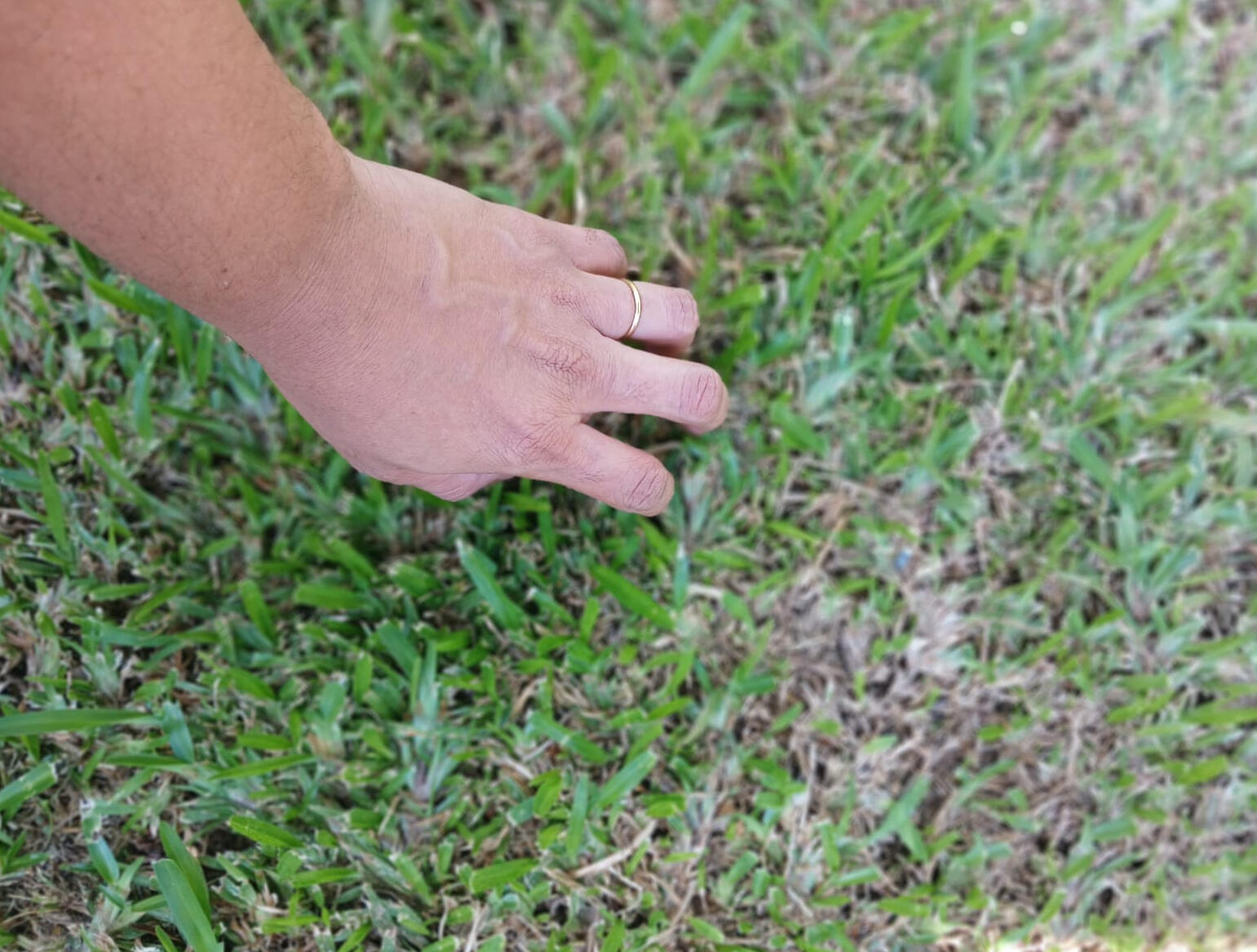
Because sometimes restoration doesn't start with a breakthrough. It starts with five minutes in the garden. A walk to the corner and back. Bare feet on damp grass. Something that quietly says: you are still here. You still exist outside of everyone's needs.
That is not nothing. That is actually everything.
What the Research Tells Us
A strong body of evidence now supports what many of us feel intuitively: time in natural environments measurably affects our nervous system, our mood, and our sense of self.
Spending time in green spaces reduces cortisol, the stress hormone that keeps us braced for what's next. It lowers heart rate and blood pressure. It activates the parasympathetic nervous system, the part of us that is allowed to rest.
Studies in attention restoration theory suggest that nature requires a different kind of attention than the relentless, directed focus that modern motherhood demands. It offers what researchers call "soft fascination", a gentle, effortless engagement that lets the exhausted mind recover.
In plain terms: nature asks nothing of you. And for mothers who are constantly being asked things, that is profound.

Six Small Ways In
You do not need a forest or an afternoon. You need a threshold.
1. Morning light before the day begins. Even two minutes standing outside with your coffee counts. Let your eyes adjust. Let the air reach you.
2. Walk without a destination or a podcast. Just listen to what's around you. Notice three things. That's the whole practice.
3. Eat one meal outside this week. The same food tastes different in open air. It slows something down.
4. Sit near a window with a view of something growing. Trees, a plant, the sky. Look for five minutes without a screen.
5. Let your children lead you outside without an agenda. Follow their pace, not yours. You'll notice things you'd otherwise walk past.
6. Name what you see. Not for anyone else, just internally. Naming the natural world brings you back into your own body.
Blue Space Counts Too
We talk a lot about green space, but research increasingly points to the restorative power of water, rivers, coastlines, rain, even a fountain in a park.
If you live near water, use it deliberately. If you don't, a bath with the window open can carry something of the same quality. The sound of rain. A bowl of water on a windowsill. It sounds simple because it is.
Restoration doesn't always announce itself. Sometimes it arrives quietly, through the ordinary.

Permission to Go Outside
If you are waiting for someone to tell you that you are allowed, that your need for restoration is valid, that stepping away from the house and the tasks and the noise is not selfish, consider this that permission.
You are not abandoning anyone by taking five minutes outside. You are not being irresponsible. You are doing the quiet, unglamorous work of maintaining yourself so that you can continue to show up.
Mothers are often told to fill their own cup. What we are told less often is what that actually looks like in a life with very little margin. It doesn't always look like a spa day or a weekend away. Sometimes it looks like standing in the back garden with your eyes closed, feeling the wind on your face, and remembering that you are a person as well as a mother.
Start there. Outside. In whatever weather arrives.
The tide always turns. So do you.
About the Author

Samantha Pillay is a dental nurse turned full-time carer and home-school mum after her son was diagnosed with ASD. She knows first-hand the mental and physical toll of raising a child with additional needs, and has become a passionate advocate for parents walking that same path.
In this piece, Samantha gently reminds us that nature has a quiet way of healing, restoring balance, and giving mothers permission to come back to themselves.
She is currently writing her first children's book, advocating for children with ASD and helping them feel seen.
The Quiet Power of Journaling in Motherhood
By: Jeannine Gilbert-Finnigan

Motherhood fills our days with responsibilities and our minds with endless thoughts. Journaling offers a private space to pause, process and reconnect with the woman behind the role of “Mum”.
Motherhood is beautiful, rewarding and deeply meaningful. It can also be noisy.
There is the physical noise of school runs, sibling arguments, late-night cries and family WhatsApp groups that never seem to sleep. Then there is the noise inside our minds: the constant planning, remembering, questioning and worrying.
Did I say the right thing? Did I handle that well? Am I doing enough? When did I last do something just for myself?
Mothers carry an enormous emotional and mental load, often without acknowledging just how heavy it can become. Journaling offers somewhere to put it all down.
As a writer, I have always understood the comfort of the page. Writing helps me untangle emotions, organise my thoughts and make sense of experiences that might otherwise remain crowded inside my head. But the benefits of journaling are not reserved for writers. You do not need beautiful handwriting, perfect grammar or a natural talent for words.
You simply need something to say, even when that something is only: Today was difficult.

A space that asks nothing from you
Much of motherhood involves giving. We give our time, patience, attention, energy and reassurance. We make decisions, solve problems and try to remain calm, even when we are struggling ourselves.
A journal is different. It does not need anything from us except honesty.
On its pages, we can admit that we are exhausted, angry, frightened, lonely or overwhelmed. We can write about the moments we handled well and the ones we wish we could do differently. We can express thoughts that may feel too complicated, uncomfortable or insignificant to share with anyone else.
There is no correct way to journal. Some days may fill several pages. On others, we may manage only a few lines, a list of feelings or a single sentence.
That is still enough.
Putting a feeling into words can make it feel less overwhelming. What begins as a storm of emotion can become something we can see, understand and eventually work through.
A pause between feeling and reacting
Motherhood can awaken parts of ourselves we thought we had left behind.
A child’s defiance may remind us of the way conflict was handled in our own childhood. A milestone may bring unexpected sadness. Watching a daughter grow can take us back to the girl we once were, while watching a son struggle may stir fears we cannot immediately explain.
When feelings remain unprocessed, they often appear elsewhere. They emerge through impatience, tension, silence or guilt.
Journaling creates a pause between what we feel and how we respond.
Instead of reacting immediately, we can ask ourselves what is really happening beneath the surface. Are we angry, or are we exhausted? Are we disappointed in our child, or worried that we have somehow failed them? Are we upset by what happened today, or has today touched an older wound?
Writing does not make every problem disappear, but it can help us approach those problems with greater clarity and compassion.

Preserving the ordinary moments
Journaling is not only for the difficult days. It also allows us to preserve the small, ordinary moments of motherhood that are so easily lost.
One day, we may forget the funny way our child mispronounced a word. We may forget the weight of their hand in ours on the walk to school, the bedtime conversation that made us laugh or the quiet Sunday afternoon when everyone was home and the house felt complete.
Photographs capture how a moment looked. Journals capture how it felt.
A few written lines can preserve the nerves of a first day at school, the pride of watching a child overcome something difficult or the tenderness of being needed in a way we know will not last forever.
We do not have to turn these moments into polished stories. We only need to notice them and write them down.
Finding the woman behind the mother
Many women experience a shift in identity after becoming mothers. Life becomes organised around children, work, appointments, meals and the needs of others. Somewhere among those responsibilities, it can become difficult to hear our own voice.
Who am I now? What do I want? What happened to the plans I once had?
A journal provides space to explore those questions without guilt.
We can write about our ambitions, disappointments, relationships, bodies, careers and dreams. We can write about the books we are reading, the places we want to visit and the person we are still becoming.
Motherhood may be one of the most important parts of who we are, but it is not the whole of us.
Journaling reminds us that our inner lives still matter. We are not selfish for needing time to think about ourselves. We are women with histories, opinions, desires and stories of our own.

Becoming more emotionally present
Children learn about emotions not only through what we tell them, but also through how we manage our own.
When we take time to reflect, we may become more aware of our triggers and more intentional in our responses. We may apologise more openly when we get something wrong. We may become better at explaining our feelings instead of allowing them to build into resentment or anger.
Our children may never read our journals, and perhaps they never should. Yet they can still benefit from the emotional awareness journaling helps us develop.
A mother who understands her own feelings may be better equipped to help her children understand theirs.
A record of the seasons we survived
Motherhood contains many seasons: joy, exhaustion, illness, change, grief, uncertainty and letting go.
During the hardest times, a journal can become a quiet companion. It allows us to write the words we may not be ready to say aloud:
I do not know how to do this today.
I am tired.
I am frightened.
I am trying.
The page does not interrupt, judge or rush us towards a solution. It simply holds what we are carrying.
Months or years later, looking back through an old journal can reveal how much we have survived. We see the days we thought would break us and realise that we continued. We adapted, learned and grew, even when progress was almost impossible to recognise at the time.
Our journals become records not only of our struggles, but of our resilience.
You do not have to be a writer
As a writer, journaling feels natural to me, but its value has very little to do with writing ability.
A journal does not need to be poetic, profound or suitable for anyone else to read. It can contain crossed-out sentences, unfinished thoughts, shopping lists, prayers, questions, complaints and moments of gratitude.
It is not a performance. It is a private conversation with yourself.
Motherhood asks us to give so much of who we are. Journaling offers a way to return some of that attention to ourselves. It gives us room to breathe, to listen inwardly and to recognise what we need.
Sometimes, ten honest minutes with a pen and a notebook can make the mind feel a little quieter.
Journaling doesn’t make us perfect mothers, but it helps us become more grounded, self-aware and emotionally present women.
And that is something both we and our children deserve.
About the Author

You do not have to be a writer to keep a journal. A few honest lines can help quiet the mind, process emotions and create a moment of calm in the busyness of motherhood.
Jeannine Gilbert-Finnigan, a mother of two, writer and editor and lifelong journal keeper, shares how journaling can help in navigating motherhood, change and the many emotions we carry as women.
The Conversation You’re Avoiding Is Already Happening (Just Not With You)
By Shivani Jobanputra

We were having a lazy pancake breakfast on a Saturday morning, when my daughter asked, “Mama, what are the Epstein files?”
If you are a parent, then you will recognize this moment.
Seemingly out of nowhere, a topic comes up. It does not necessarily have to be about the big ones - porn or sex or something as complicated as the Epstein files. It could be something simpler - related to consent, or pleasure, or relationships.
But, irrespective of the actual topic, as long as it is even slightly related to sex, what happens is that your body reacts. Something contracts, or a breath becomes difficult to release, or your heart starts beating really fast. Small, slight changes that work together to make you pause. You can feel something within yourself frantically searching for the “right” response, or wondering whether this is something that should be tabled for a future conversation.
In those seconds between your body reacting, and wondering whether this conversation is really required, a stream of thoughts flood your mind.
“Isn’t she too young for this?”
“What if talking about this makes him go deeper into the topic?”
“How do I even start?”
“How much information is enough?”
So, it feels natural, correct almost, to push the conversation to later. To divert attention right now, and to tell yourself that you will come back to it when you have had time to prepare, to think through it properly, when it is the right place and the right time to speak.
But guess what?
The conversation is already happening. Just without you in it.

Why This Matters More Than We Think
Teen girls today are growing up in a world where information finds them, whether intentional or not. Through conversations with friends, through social media, through content that appears on their screens without them even going looking for it, children in today’s day and age have to expend more energy staying away from certain topics than they do in accessing them.
As the safe adults in their lives, us staying silent on uncomfortable topics does not help protect our children in the way we hope. All it does is take away our guidance and support from a conversation that they are already a part of.
Whether we are ready for it or not, our tween and teen girls are already forming ideas about what sex is, what relationships should feel like, what is considered normal, and what might be expected of them. It is important to understand that if we do not talk about these things, these ideas are being shaped without your voice in the room to offer context, nuance, or grounding.
Most parents I work with don’t realise this is what’s happening, and I understand that. These conversations ARE happening too young. It is valid to want to preserve something of their childhood. But, unfortunately, that is not the real-world impact of avoided conversations around sex ed.
The Problem With Waiting for the “Right Time”
In my work as a sexuality educator, this is one of the most common patterns I see. Parents who care deeply, who are thoughtful and intentional, but who are waiting for a moment that feels more prepared, more spacious, more appropriate.
The reality is that those moments rarely arrive, if at all.
These conversations don’t tend to show up as calm, sit-down discussions where everything is neatly contained. They appear in fragments, woven into everyday life. A passing comment about something that happened at school. A question asked over breakfast. A hesitant joke that makes you pause. An overheard conversation in the backseat of the car, driving to and from school.
And because they are so fleeting, it’s easy to miss them and to brush past them without seeing them for what they are - an opening.
It is important to understand that over time, those missed moments add up into a perceived understanding in your teenager of where to turn to for information.

What Gets in the Way
When I sit with parents in this space, it is very clear that lack of information does not equal lack of care. If anything, it may come from a space of TOO much care.
There is the fear of saying too much, of opening something before your child is ready. There is also the fear of getting it wrong, of not having the right language or accidentally causing confusion. All of which are valid.
There is also our own reality. Many of us did not grow up having these conversations with the adults around us. We don’t have the framework or remembered language for how to approach these topics. We learned, directly or indirectly, that these topics were uncomfortable, off-limits, taboo, and anything we needed to find out depended only on our own resources.
Coming from that space, of course it feels like unfamiliar ground to step on. However, it is important to consider that our adolescence and our children’s adolescence is vastly different.
Independent sleuthing in our case might not have had many negative consequences, because our resources and our access to those resources were limited. One family computer, if at all, or library books, or video rental stores for those of us who dared.
Our children, though? They are absolutely surrounded by screens, even if they don’t have a personal device of their own. It is impossible for them to avoid them completely, directly or indirectly. This is why we cannot anymore depend on the old, “oh, but we turned out okay,” argument, if we ever really could.
What Actually Helps
What I often remind parents is that this doesn’t require a complete overhaul. It doesn’t require you to suddenly become someone who has all the answers or who can speak about everything with total ease.
It is truly much more simple. It just looks like noticing when your teen brings something up, even in passing, and choosing to stay with it for a little longer instead of letting it slip by. Those small moments often hold more weight than we realise.
It also looks like slowing down your response just enough to understand where they are coming from. Instead of jumping straight into explaining, you might ask what they already know or what made them think about this in the first place. That one shift alone can turn a one-sided explanation into a shared conversation.
It also looks like bringing up a topic of conversation related to sex-ed on your own. Not every child will ask questions, but it is our responsibility to speak to them about bodies, pleasure, consent, relationships, values, inclusion, allyship, sex, anyway.
And perhaps most importantly, it means letting go of the idea that this needs to happen all at once. These are conversations to return to, over and over. They build over time, in layers, with pauses and revisits and new questions emerging along the way.
What Changes When You Step In
When parents begin to step into these conversations, even in small and imperfect ways, something begins to shift.
Research has shown that teenagers actually WANT parents to be their first source of information where sex ed is concerned. So, they will appreciate this. They might not suddenly start talking about everything, but there will be a noticeable difference in how they engage with you.
There is a little more openness, a little more willingness to check in, a little less reliance on peers as the only source of understanding. They begin to question what they are seeing and hearing rather than absorbing it unquestioningly. They start to develop a sense of themselves that is not entirely shaped by external noise.
And underneath all of that, there is something even more important taking root. The knowing that they have somewhere to come back to, the confidence in having your support that really helps with their emerging sense of self.
This Week, Try This One Thing
Instead of trying to tackle the biggest or most intimidating topic, choose one that feels just slightly uncomfortable.
The next time something related to it comes up, even loosely, you could say something as simple as, “We haven’t really talked about this before. Do you want to?”
And then let the conversation be what it is. It doesn’t need to be long or perfectly expressed. It really just needs to begin.
Closing
Avoiding these conversations often comes from a place of care. From wanting to protect, to not rush things, to get it right. But the world our teens are growing up in doesn’t pause and wait for that readiness.
So the invitation here is to gently step into a conversation that is already happening, and to let your presence, your values, your support be a part of how it unfolds and how it influences your children’s lives.
About the Author

Shivani Jobanputra is a menstrual cycle coach and sexuality educator who helps parents confidently have honest, ongoing conversations with their children about bodies, relationships, and sexuality. Her work blends practical education with emotional awareness, helping families move from awkward silence to real connection. Through her program Truthtellers and her workshops, she guides parents and caregivers to become a trusted, steady presence in their child’s world.
You can check out her work at www.shivanijobi.com or say hi at @sinnimojo on Instagram.
Co-Parenting with a Difficult Ex. The One Thing That Changes Everything
By Sallyanne Hartnell

She came to me exhausted. Not just tired — the kind of bone-deep exhausted that comes from years of walking on eggshells. Her ex would blow up at handovers. He’d send messages at 11pm designed to destabilise her. He’d tell the kids things she’d never said. And she’d been white-knuckling through it all, holding herself together for the sake of her children while quietly falling apart.
If any part of that sounds familiar, this is for you.
Co-parenting with a difficult ex is one of the most gruelling parts of life after separation. Not because the logistics are hard — though they are — but because it asks you to keep showing up with grace for someone who may not extend you the same courtesy. Ever.
And here’s the thing that changes everything when you really take it in: your kids are watching how you do this. The way you navigate this relationship — even an impossibly difficult one — is teaching them how to handle conflict, how to communicate under pressure, how to hold their ground with dignity. You don’t need your ex to get it right. You just need to.
Research consistently shows that children need one mostly stable, functional parent to come through separation well. One. That can be you.
"You don’t need your ex to get it right. You just need to.”
One important note before we go further: nothing here addresses abuse. If you are in an unsafe situation, please reach out to a specialist. What I’m speaking to is the dysfunctional, frustrating, emotionally exhausting dynamic that so many parents face — where conflict is high and cooperation is low.
Start Here: The Foundations That Make Everything Else Work
Before we get into practical strategies, there are two things worth anchoring to.
Keep your end goal visible. Happy, healthy, well-adjusted kids. That’s it. Not winning. Not being proven right. Not being chosen. Every time things get heated, come back to that.
Define the container. I use this phrase with clients a lot. It means: decide what kind of co-parenting relationship you want, and start modelling it — even if it’s not reciprocated. Your calm, clear, respectful communication sets the standard and invites them to meet you there. Sometimes they will. And when they don’t, you’ve still protected yourself and your children.
13 Strategies That Actually Help
These aren’t quick fixes. They’re practices — some will feel more natural than others, and all of them get easier with time.
1. Keep it positive. Don’t speak badly of your ex in front of the kids — ever. And where you genuinely can, let your children see the good in their other parent. “Your dad is so good at that.” “Isn’t your mum amazing at that.” It costs you nothing and means everything to t hem. If your ex speaks disparagingly about you in your presence, address it calmly: “That’s not an acceptable tone. I’m going to step away and we can come back to this when things are calmer.2. Keep the kids out of the conflict. Don’t argue in front of them. Don’t use them as messengers. Don’t let them feel stuck in the middle. If your ex sends messages through the children, receive it graciously and redirect: “That’s not something for you to worry about — I’ll speak to dad directly.” Back your co-parent’s decisions in front of the kids, even when you’d have done it differently. Disagreements are for private conversations.
3. Manage your emotional reactivity. Know your triggers. Build strategies before you need them — breathing, mindfulness, a hairband on your wrist to snap yourself back to the present. In the moment, stay here. Don’t tip into the past or future-trip. Give yourself permission to step away, let the phone go to voicemail, wait before responding to a message. Ask yourself: do I actually need to respond to this at all?
4. Stay on topic. Keep every interaction focused on the kids and whatever issue needs resolving. If your ex tries to pull you elsewhere: “I’m not willing to discuss that right now — can we focus on the issue at hand?” Use your child’s name. Instead of “I need you to pick up Millie,” try “Millie has soccer training Thursday — are you able to collect her?” It recentres the conversation on the child, not the conflict.
5. Keep contact minimal, courteous, and professional. Think: how would you communicate with a colleague you don’t particularly like? Strip out emotional language entirely. Written communication is often better than verbal when things are difficult — it’s harder to gaslight what’s sitting right there in writing. Remove ‘shoulds’ and ‘nevers’ from your messages. They escalate rather than resolve.
6. Use external supports. A coach, mediator, or psychologist can be genuinely transformative. Co-parenting apps and shared calendars keep communication in writing, on topic, and visible to more than just the two of you — which tends to reduce the temperature considerably.
7. Have and hold clear, firm boundaries. Get clear on what is and isn’t acceptable to you. You may not need to announce your boundaries — just hold them. When someone crosses one, state it calmly and follow through on the consequence. A boundary without a consequence is just a suggestion. Some clients only check their co-parent’s messages once a week, respond only to what genuinely requires attention, and release the rest. That’s not avoidance — that’s sanity.
8. Don’t engage in competition. Your kids need both of you. Even if your ex is playing Disney dad or mother of the century, keep your focus on your own parenting. Competing for your children’s love and approval creates pressure they should never have to carry.
9. Stick to one thing at a time. When communicating with someone difficult, stay with one issue until it’s resolved. Use the stuck record technique: calmly, unemotionally, repeat your request until you get a clear answer. “Millie will need you to collect her at 5pm on Thursday.” Noise, deflection, bluster. “Millie will need you to collect her at 5pm.” It’s much harder to dodge one clear question than to disappear into chaos.
10. Stand firm in your truth. Your ex will likely speak badly of you — to the kids, to friends, to family. Don’t take the bait. Keep a journal. Have a trusted friend or coach you can reality-check with. If your kids come to you with something they’ve heard, gently set the record straight without attacking the other parent: “That’s not how I see it, and it’s not what I believe about myself.” You're re-telling your truth, not badmouthing theirs.11. Get it in writing. Every agreement, plan, pickup, drop-off, activity, and schedule change: documented. A detailed parenting plan with clear contingencies makes “I forgot” much harder to sustain. If handovers are fraught, consider making them school or daycare rather than your front door — being kept waiting loses its power to destabilise you when it’s not your house.12. Communicate assertively. Assertive is not aggressive. Aggression is about winning. Assertiveness is calm, clear, and on topic. It sounds like: stating a plain fact, offering a solution, identifying responsibility, and genuinely inviting input. If this is new for you, it takes practice — and your ex will take time to adjust too. That’s okay.
13. Accept what you can’t control. You cannot control what your ex says to the kids when you’re not there. You cannot control whether they show up on time, or what version of events they’re sharing with the world. What you can control is your response. Focus your energy there — and be willing to release the rest. Not as resignation, but as freedom.
"A boundary without a consequence is just a suggestion.”
One Thing to Try This Week
Pick one interaction with your co-parent that’s coming up — a handover, a message you need to send, a call you’ve been dreading. Before it happens, write down: what is the one thing I actually need from this interaction? Then strip everything else out. One issue. Child’s name front and centre. Emotion removed. Send it, or show up with just that. Notice what shifts when the scope is that contained. It won’t fix everything. But it’s a starting point — and sometimes that’s exactly what you need.
You Don’t Have to Do This Perfectly
That client I mentioned at the beginning? She’s doing better. Not because her ex changed — he didn’t. But because she stopped trying to manage him and started managing herself. She got clearer on her boundaries, quieter in her responses, and more grounded in who she was outside of his narrative. Her kids noticed. They always do. Co-parenting with a difficult ex is a long game — and you’re already playing it better than you think.
About the Author

Sallyanne Hartnell is a multi-award-nominated Divorce Coach & Strategist and the founder of Reflect Coaching. Drawing on her own lived experience of divorce and 20+ years supporting individuals through separation, she helps people move through the end of a relationship — and into a life that feels like theirs again. Her work is grounded in practicality, emotional intelligence, and deep respect for the complexity of what her clients navigate.
Find her at reflectcoaching.com.au or on Instagram @reflectcoachingAll photos are credited to Narell Haas, Moonstone Photography.
How Yoga & Sound Healing Bring You Back to Yourself
By Rose-May (Rosie) Payette

When your nervous system finally slows down: How Yoga & Sound Healing Bring You Back to Yourself
There is a moment I notice in almost every class at the beginning when everyone arrives. A little in their head, thinking about the day and all that happened. What’s next, what hasn’t been done? The body has arrived to class but the mind is not fully there yet.
Things slowly start to shift as they arrive on the mat and take a few breaths. During their practice, movement softens the tension in the body, the breath deepens and slows, and awareness starts to come back.
When the body is still and the sound of the bowls is vibrating through the body, something deeper happens. The shoulders drop, the jaw unclenches and the breath changes on its own. The mind (often after putting up a little fight), begins to quiet.
Sometimes emotions come up, other times deep sleep, body twitches, even a little snore. The body feels safe to rest and release.
They wake up, sharing how relaxed they feel. “I feel so light,” they say.
I’d like to ask you, how long has it been since you truly felt that? This is our natural vibration – the frequency of wellbeing.
We were not meant to feel stressed, on edge, wired or heavy all the time.
Most people are living in a constant state of stress. Our cortisol (stress) levels are meant to rise and fall, but when stress becomes constant, it starts to affect the body. This can show up as anxiety, poor sleep, lowered immunity, inflammation or even longer-term issues like heart problems and metabolic disorders.
High stress is not always obvious but always there in the background: thinking, doing, responding, moving from one thing to the next without ever really stopping.
Your nervous system is constantly scanning your environment, in reality asking: am I safe or do I need to protect myself?
Did you know: Your body can respond to everyday stress the same way it responds to real danger.
Traffic, emails, loud environments, emotional pressure, overthinking… even a lion chasing you can all activate the same fight or flight response.
In your body you might notice this as:
a mind that won’t switch off
tight or shallow breathing
tension in your shoulders or a clenched jaw
feeling tired or wired
struggling to fully relax
Over time if it isn’t managed, this becomes your ‘new normal’. Most people don’t even realise how much their system is holding until it finally gives in.
And what that often looks like is the body reaching its limit.
Stress hormones like cortisol stay elevated for too long, the nervous system remains in a constant state of activation, and the body doesn’t get enough time to properly rest and recover.
Eventually, it starts to show up as anxiety, panic attacks, emotional overwhelm, burnout, or getting sick more often because the nervous system has been under strain.

Yoga is not just ‘stretching’, but a way to quiet the mind.
Yoga is often seen as stretching or exercise but traditionally it’s a practice that brings us into stillness.
The yoga sutras say: yoga is the stilling of the fluctuations of the mind. Not stopping your thoughts completely but rather creating space between them and learning to observe rather than be consumed by them.
An important part of Yoga practice is Pranayama (the conscious, rhythmic regulation and expansion of the breath, or our prana/life force. Breathing is central to regulating our nervous system.
Slow, steady breathing signals safety to the body. It tells your nervous system that it can come out of that constant state of alert. This is why yoga feels grounding because it is not just about movement, but awareness, breath and giving your body the space to settle.
Over time as we release unnecessary effort and tension in the body (through Yoga Asana – physical postures and other practices), the system begins to soften. The breath deepens, the heart rate regulates, the body feels safer and naturally, the mind begins to quiet.
The nervous system begins to shift out of survival mode.
How beautiful is it that we have everything we need already to heal the body? We heal the body through the body.
Sound and the nervous system: Why it works
“I can’t relax, my mind doesn’t stop.” “I wake up in the morning but feel like I did not rest. My mind does not shut up”, things I have felt myself, or hear very often.
This is where sound meditation (or sound therapy) becomes really powerful because it doesn’t require you to “do” anything. It works directly with your nervous system.
Let me ask you something: have you ever noticed how certain sounds instantly relax you and how others instantly stress you out?
For example, compare the sound of waves, birds, soft music to…traffic, alarms, a crying baby, or loud unpredictable noise. That’s your nervous system responding.
Your body is made up of around 60–70% water, which means sound travels through you very easily. As it moves through the body, it stimulates your tissues, your nervous system and even the vagus nerve.
So your body is constantly responding to sound, whether you realise it or not.
Why some sounds calm you and others don’t
Not all sound affects the body in the same way. Some sounds are smooth, rhythmic and predictable, like singing bowls, chimes or any sounds of nature. These kinds of sounds send a signal of safety to the brain.
They help:
slow the heart rate
deepen the breath
activate the parasympathetic nervous system
Other sounds are chaotic and unpredictable like traffic, sirens or lots of overlapping noise. The nervous system is wired to treat unpredictable sound as potential danger.
So these sounds can:
increase cortisol (the stress hormone)
trigger stress responses
keep the body in fight or flight
So it’s not always about how loud sound is, but also about rhythm and predictability. Your nervous system is always listening.
The vagus nerve and why sound helps regulate the body
One of the main reasons sound is so effective is because of the vagus nerve ( a nerve that runs from the brain down the whole body, connecting to the heart, lungs and digestive system). It helps regulate functions in the body you don’t normally control like your breath, heart rate and digestion.
You’ve probably experienced this naturally. Have you ever sighed when you felt overwhelmed, or hummed without thinking? This is your body trying to regulate itself. In particular, vibration, especially slow, steady sound, naturally stimulates the vagus nerve.
When the vagus nerve is activated, your heart rate slows down, your breath deepens, your stress hormones drop to a normal level. The body shifts out of stress and into a calmer, more balanced state.
This is why practices like slow breathing, humming, chanting, or sound baths feel so calming.
How sound shifts your brainwaves
During a sound healing practice, there is also something happening in the brain.
In your daily life, your brain operates in different states depending on how you feel.
Beta (active thinking, stress): when you’re answering emails, overthinking something, rushing through your day or lying in bed with your mind racing
Alpha (relaxed, aware state): on a walk, watching the ocean, journaling, sitting quietly feeling present
Theta (deep relaxation, meditation): that space just before you fall asleep, during a deep meditation
Delta (deep sleep): deep, dreamless sleep where the body is fully resting and restoring.
Most of us spend a lot of time in beta, always thinking and processing.
Sound helps guide the brain out of this state, through something called brainwave entrainment. This is when your brain begins to match the frequency of what you’re hearing.
So when you listen to slow, rhythmic sound, your brain starts to slow down too, often moving into alpha first and then into theta. Theta is connected to our subconscious mind, where a lot of our ‘programming’ lies. This is also where the body really begins to reset.
The most beautiful part is there is nothing to be done for you to get there. Simply lay down, and the system naturally follows.

Why yoga and sound together work so well
Yoga helps you to get ‘out of your mind’ and arrive in your body. It releases tension, slows the breath and brings your awareness inward. Sound takes you deeper into stillness, into a state where your nervous system can fully let go.
You move, breathe, become present and then you receive. This is why the body, mind and nervous system can feel so different at the end of a practice, because you have not only practiced relaxation but your nervous system has become regulated and the body has come back into balance.
A simple way to support your nervous system this week
You don’t need a full session to begin, but just a few minutes of your time. This week, I invite you to try this simple exercise:
sit or lie down somewhere comfortable
place one hand on your chest, one on your belly
notice your breath without changing it
gently hum, or play soft, steady sound
let your body be heavy
Stay there for 5–10 minutes, and just notice: does your breath change? Does your body soften even slightly? You don’t need a big shift. Even a small difference means your nervous system is responding.
That moment at the end of class…
When you feel calm, regulated… “light” or “zenned out,” the feeling of balance and wellbeing…is our most natural state.
It’s really not about doing complicated things, but about creating space for your body to feel safe enough to finally slow down.
We have an innate intelligence within us. The body knows what to do, it is simply waiting for you to give it the time and space to “do its thing”.
Contributor Bio

Rose-May Payette is a sound healer and yoga teacher who helps people slow down, reconnect and find a sense of calm in their bodies. Her own practice of yoga asana, pranayama and meditation has supported her in regulating her nervous system, managing stress and staying grounded through everyday life.
She combines yoga and Himalayan sound healing to help the body shift out of stress and into a more balanced, relaxed state. Her approach is simple and accessible, focused on helping people feel safe in their bodies and reconnect with themselves.
Her journey began in Nepal and continued in Rishikesh, India, where she completed over 750 hours of training. Based in Seychelles, she offers private sessions, workshops and retreats.
Connect with her on Instagram @soundjourneyss or WhatsApp (+248) 2557301
Letting Go While Holding On
By Enda Gilbert

The Morning He Left
I dropped him off at the airport, walked him to where his friends and teachers were gathered, gave him a hug and watched him slot seamlessly into his group.
And then I left.
I could not stay to see him off. I just could not. So I turned around, walked back to my car, sat down, closed the door, and completely fell apart.
There is no other way to describe it. I was paralysed. A strange kind of brain fog settled over me, and I could not move, could not think, could not quite locate myself in the moment. My baby, my boy, was about to board a flight to Japan. Without me.
He was going skiing in the mountains with his school. A perfectly organised, well-supervised excursion. I knew he would be safe. I knew he would be well looked after. I knew all of this in my head.
My heart, however, had not received that memo.
Thank goodness for the deep breathing practice I have built over the years. In moments like that one, when the fog rolls in and the ground feels unsteady, I come back to my breath. Slowly, it brought me back. Clarity returned, enough to start the car and pull out of the car park.
I drove around for far too long before I finally found the exit.
And on the way home? I took the wrong route entirely. Got completely lost.
I was, to put it plainly, a mess. And I think that is worth saying out loud because we do not say it enough.
When the Reality Check Hits
But as I finally drove out of that car park, something else was sitting with me. Something quieter than the anxiety. Something I had not quite expected.
Because it was not just the trip that unsettled me. It was what the trip represented.
My son turns 18 in a couple of months.
And somewhere in that fog, that realisation landed. Not gently. Like a wave you do not see coming.
He is becoming an adult.
I found small comfort in the fact that we had visited Japan together as a family before. He knew the culture. And for a notoriously picky eater, he at least knew what to expect from the food. These small things helped. A little.
But the real noise was happening inside me.
Had I raised this young man to be independent of me or dependent on me? Had I raised him to be who he is truly meant to be, or who the world told him to be? Was I ready to accept that he now has his own friends, his own social calendar, his own life unfolding on weekends without me in it?
And perhaps the most confronting question of all was, was I preparing myself enough to ensure that we could both grow individually while still growing together?
These are not small questions. They sat with me long after the plane took off.
The Choice I Made
I could have gone home and waited. Counted the days. Checked my phone every twenty minutes. Convinced myself I was fine while quietly unravelling on the inside.
Instead, I chose something different.
While my son was skiing in the mountains of Japan, I flew to Ubud, Bali, for a spiritual retreat.
Two of us. Two different mountains. Both of us are expanding
.
I planned it that way intentionally. I made a conscious decision that, while he was off discovering his independence, I would tend to mine. I knew that this was not just his moment of growth. It was mine too. He was stepping into his own becoming, and I needed to step into mine.
The retreat in Ubud held me in ways I did not expect. The stillness. The reflection. The space to sit with all of those confronting questions without rushing to answer them. The renewal. The awakening.
It was there, among the rice fields and the quiet mornings, that I began to truly understand what it means to let go while holding on.
What Letting Go While Holding On Actually Means
Letting go does not mean disappearing from your child’s life.
It does not mean pretending you are not anxious when they board a plane without you. It does not mean switching off the love or silencing the worry. Of course, I thought about him every single day he was away. I am a mother. He was always on my mind.
But letting go means releasing the grip. The tight, white-knuckled grip of control that we sometimes mistake for love.
It means trusting the roots you spent years planting.
It means believing that the values you poured into him, the conversations you had, the boundaries you held, the love you showed up with even on the hard days, that all of that lives inside him now. He carries it with him. Even to Japan. Even without you.
For so long, I think I equated closeness with proximity. If I could see him, know where he was, be available at every turn, then I would be a good mother.
But Ubud taught me something different. Closeness is not about proximity. It is about connection. And connection does not require control.
The mothers I work with often describe a similar turning point. The moment their teenager starts pulling away, they panic, interpreting the distance as rejection rather than growth. But that pulling away? It is not your child leaving you.
It is your child practising. Practising independence, practising identity, practising who they are becoming. And our job, as hard as it is, is to make sure there is always a warm, safe place for them to land when they come back.
And holding on? Holding on means staying connected. Not through control but through flow. Through ease. Through a relationship that has enough space in it for him to grow and enough warmth in it for him to always want to come back.
Less grip. More trust. Less hovering. More presence when it counts.
That is the shift.
Your Practical Takeaway
This month, I want to invite you to sit with one question.
Just one.
“Am I holding on out of love, or out of fear?”
You do not have to answer it out loud. You do not have to share it with anyone. Just sit with it honestly. Because the answer will tell you everything about where you might need to loosen your grip and where you might need to deepen your connection instead.
There is a difference between the two. And learning to tell them apart is one of the most important things we can do as parents of growing children.
He Came Home
My son returned from Japan in one piece, full of stories, glowing with the kind of confidence that only comes from doing something independently and discovering that you are more capable than you thought.
He had a fantastic time.
And I came home from Ubud with something too. A quieter mind. An open heart. A new willingness to parent with flow rather than force.
We had both been away. We had both come back changed. And somehow, that felt exactly right.
This trip was a pivotal moment in our journey together as mother and son. Not because something dramatic happened, but because something quietly shifted. In him. In me. In the space between us.
Letting go while holding on is not a destination. It is a daily practice. Some days I get it right. Some days the grip tightens again, and I have to consciously breathe and release.
But I know now what it feels like on the other side.
And it feels like freedom. For both of us.
What would change in your relationship with your child if you chose flow over control?
About Enda Gilbert
Enda Gilbert is the Founder of Ebb & Flow Coaching & Inclusive Learning, an educator, school leader and specialist in Learning Difficulties and TESOL with nearly 30 years of experience.
She works with mothers and educators who are raising or supporting children with learning difficulties or special needs, holding space for them and guiding them with compassion and clarity.
If the parent-teen relationship feels like it is slipping away from you, or you simply want to strengthen what you already have, the Parent-Teen Bond Builder Audit is your personalised roadmap to reconnection. It is a heart-led assessment of your unique relationship followed by a tailored blueprint of strategies designed specifically for your family.
Take the Audit at audit.ebbandflowlearning.com. Connect with Enda on Instagram @ebbandflowlearning or send her an email at [email protected]